

A Guide to Commercial Flower Production in Greenhouses
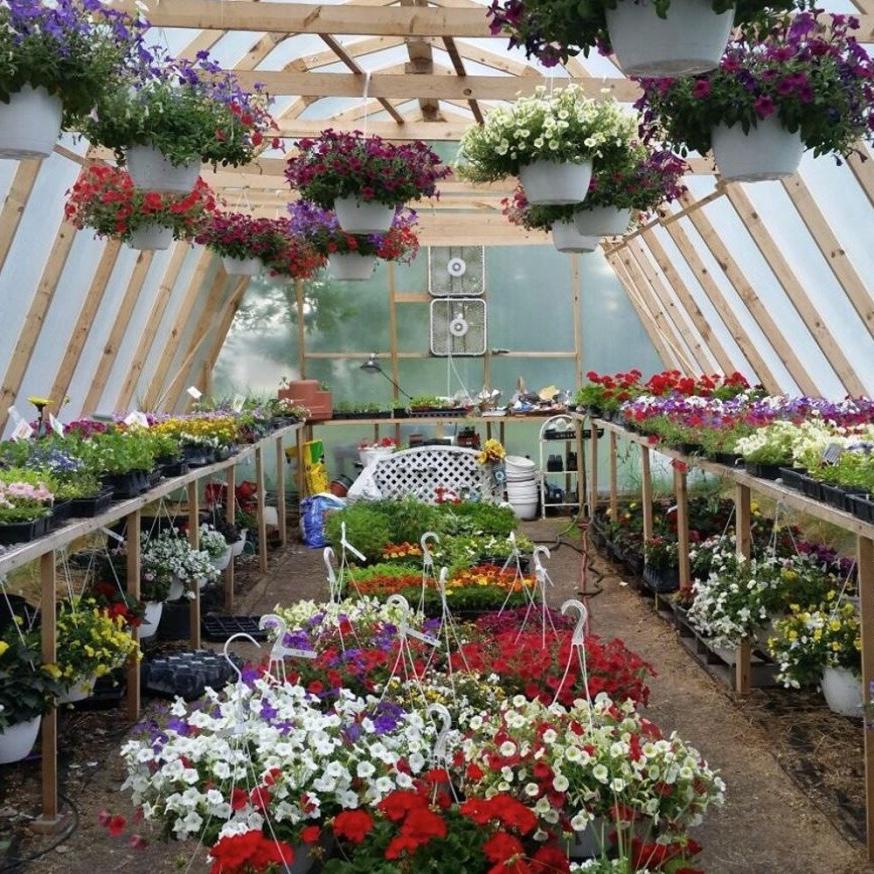
Commercial greenhouse flower growing represents one of the most efficient and profitable approaches to modern horticulture. By leveraging controlled environments and specialized infrastructure, growers can consistently produce high-quality blooms year-round, regardless of external weather conditions. This guide explores the systems, strategies, and best practices that drive successful greenhouse flower production and how the right structural solutions can make all the difference.
What is Commercial Flower Growing in a Greenhouse?
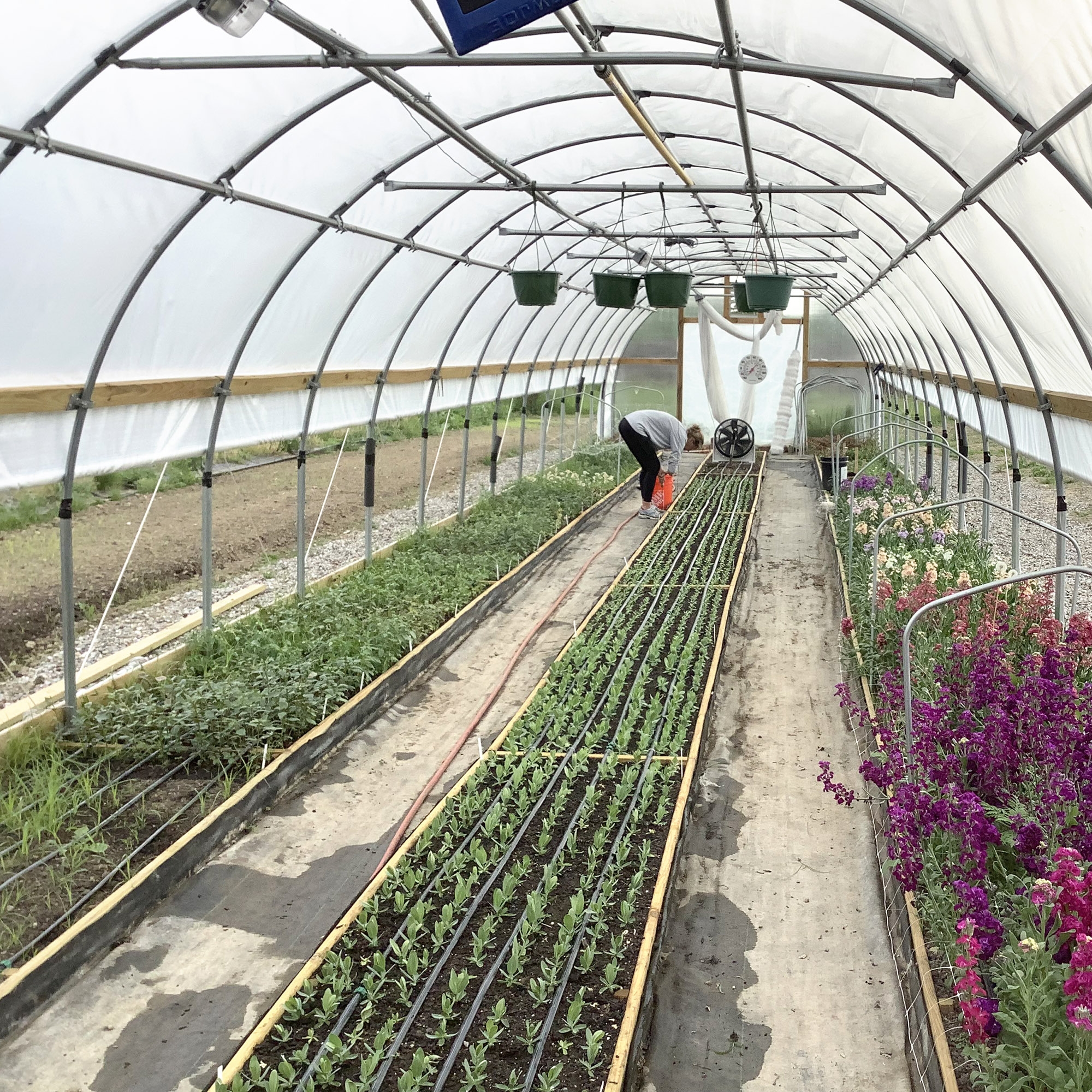
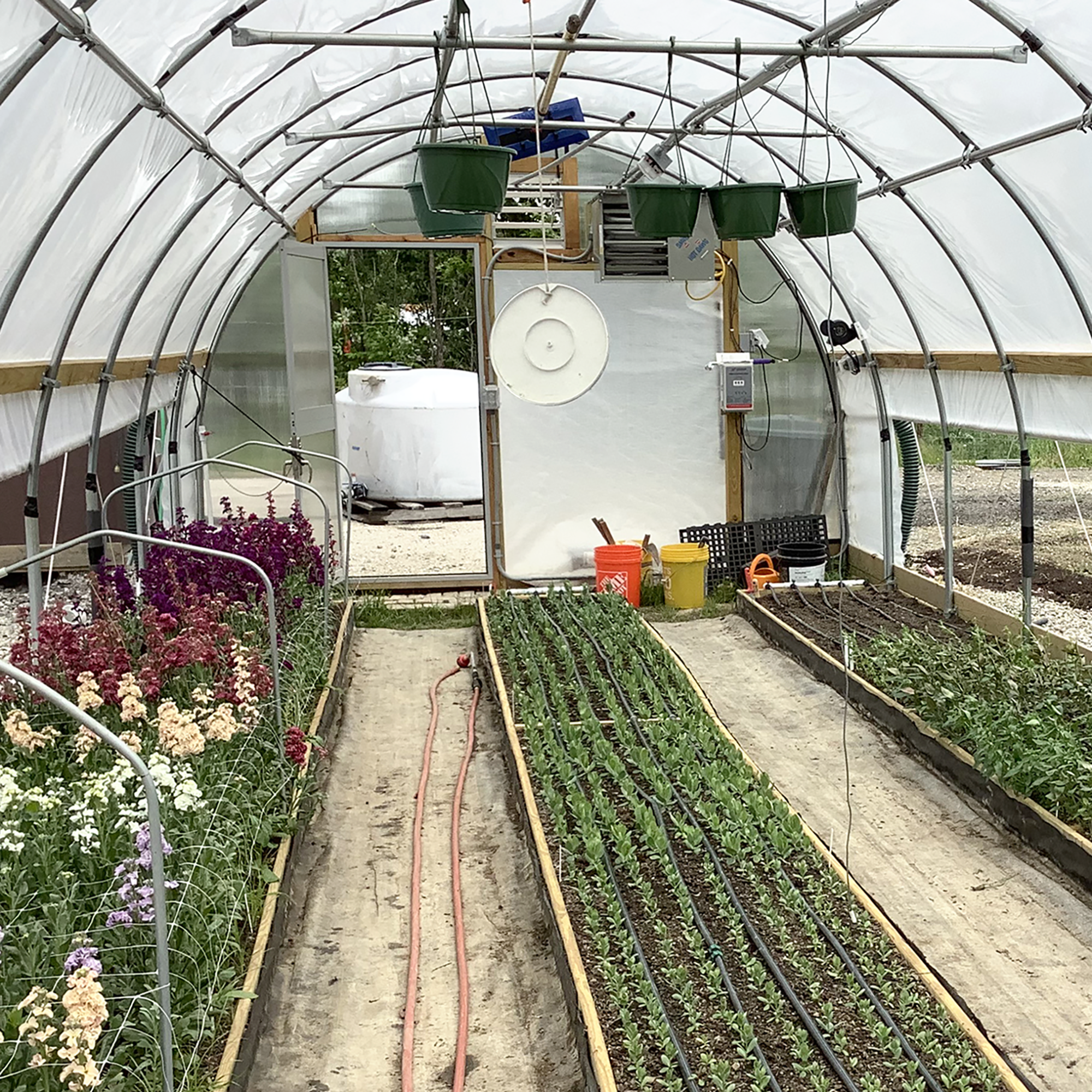
Commercial greenhouse flower growing is the practice of cultivating flowering plants on a large scale within enclosed structures designed to control environmental conditions. Unlike traditional field farming, greenhouse cultivation creates a controlled environment in which temperature, humidity, light, and nutrient levels can be precisely managed to optimize plant growth and bloom quality. Controlled environment growing is at the heart of this approach. Growers regulate key factors such as temperature by maintaining optimal ranges for specific flower varieties, humidity to prevent fungal issues, and light by supplementing natural sunlight to extend growing hours and intensity. This level of control enables year-round production capacity, allowing commercial operations to meet market demand regardless of the season. A greenhouse in Minnesota can produce tropical flowers in winter; a facility in Arizona can grow cool-season blooms during summer heat.
Benefits of Growing Flowers in a Commercial Greenhouse
Commercial greenhouse flower growing delivers tangible advantages that directly impact a grower's bottom line and operational reliability. Beyond the obvious protection from weather extremes, greenhouse cultivation fundamentally changes how growers approach production planning, market timing, and crop management. These benefits compound over time as operations refine their systems and gain experience with the unique dynamics of controlled environment agriculture.
Year-Round Production Regardless of Climate
One of the most significant advantages of greenhouse cultivation is the ability to produce flowers continuously, independent of the external climate. This eliminates the traditional growing seasons and allows growers to capitalize on market opportunities year-round.
Higher Yield and Consistent Quality
Controlled environments lead to more predictable growth rates and uniform blooms. Growing flowers in a commercial greenhouse means each plant receives optimal care, resulting in higher yields per square foot and consistent quality that retailers and wholesalers demand.
Reduced Crop Loss from Weather and Pests
Greenhouses act as a protective barrier against extreme weather events(hail, frost, heavy rain, and high winds) while also providing opportunities to manage pest access. This dramatically reduces crop loss and improves overall production reliability.
Improved Control Over Growing Conditions
Every aspect of the growing environment can be monitored and adjusted. From nutrient delivery to light spectrum, commercial growers have complete oversight, allowing them to fine-tune conditions for each crop stage and flower variety.
Maximizing Space and Efficiency in Flower Production
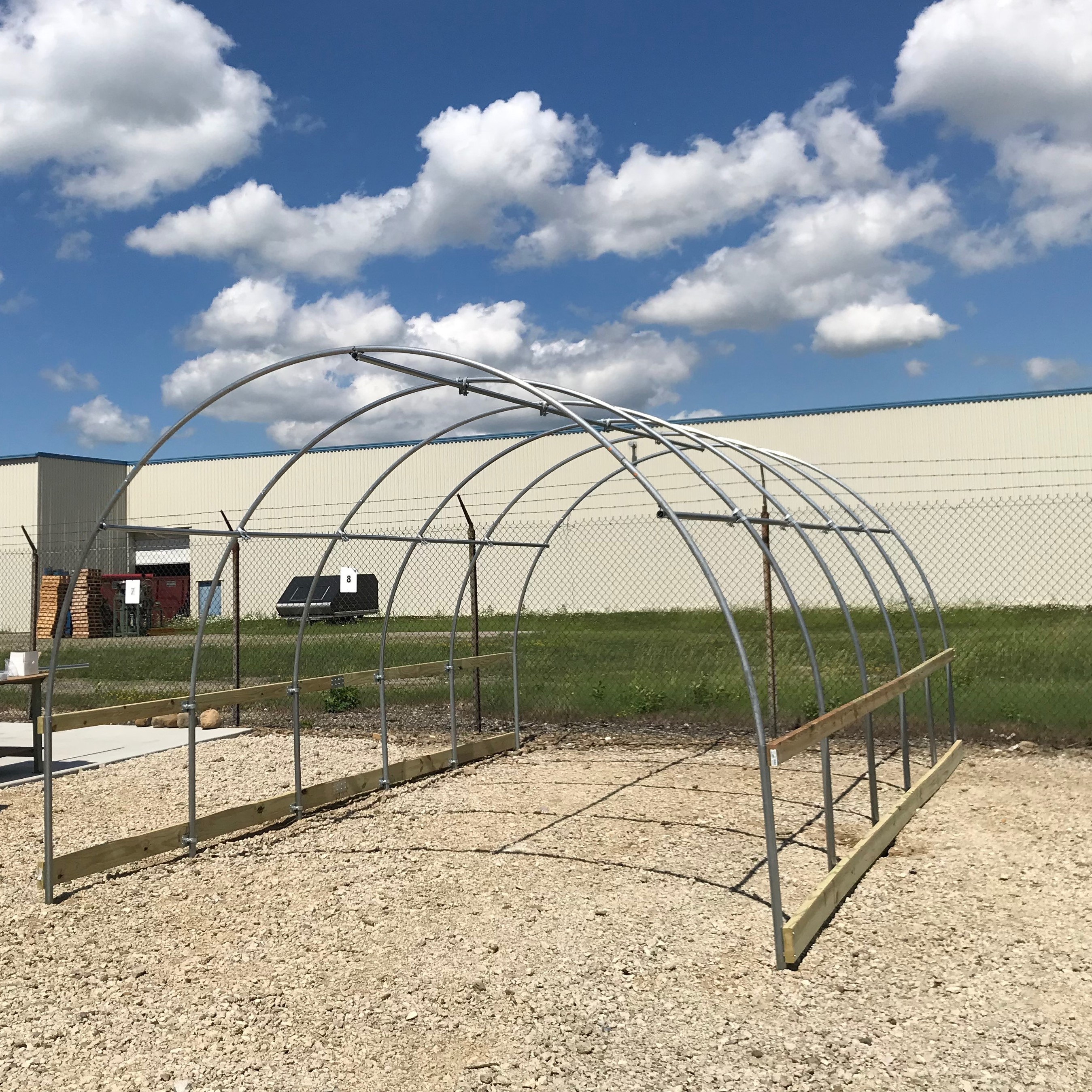
Commercial greenhouses represent significant investments, making every square foot valuable. Maximizing production efficiency requires thoughtful layout design and the right equipment. Vertical hanging systems allow growers to utilize overhead space that would otherwise go unused—by suspending pots and trays at multiple levels, facilities can dramatically increase plant density without expanding their footprint. When comparing growing methods, bench systems vs. overhead growing, each offers distinct advantages. Benches provide easy access for planting, maintenance, and harvesting, while overhead systems maximize space efficiency for crops that thrive with elevated air circulation. Cross-bar adapters enable flexible mounting of hanging systems to greenhouse structural members, while structural brackets provide secure attachment points for benches, shelves, and support rails. Hanging plant systems are designed for the weight and spacing requirements of commercial flower production. By incorporating versatile structural solutions, growers can design layouts that adapt to changing crop needs and maximize their return on greenhouse space.
How Commercial Growers Improve Flower Quality
The controlled environment of a greenhouse allows growers to produce flowers that exceed field-grown quality in multiple ways. By managing light intensity and duration, growers can influence flowering time, bloom size, and color development. Temperature control ensures plants aren't stressed by heat spikes or cold snaps, leading to more vigorous growth and superior flower development. Flowers grown in controlled environments often exhibit better post-harvest longevity. Consistent nutrition, proper hardening-off practices, and reduced pest pressure result in cut flowers and potted plants that last longer in retail displays and consumer homes. Wholesalers and retailers require predictable product quality and availability. Commercial greenhouse flower growing delivers this consistency, allowing growers to build long-term relationships with buyers who know they can count on uniform shipments.
Common Challenges in Greenhouse Flower Production
Even the most sophisticated greenhouse operations face ongoing challenges that require attention and management. Recognizing these obstacles early allows growers to design systems and implement practices that mitigate their impact. Awareness of potential problems is the first step toward developing effective solutions.
Disease and Humidity Control
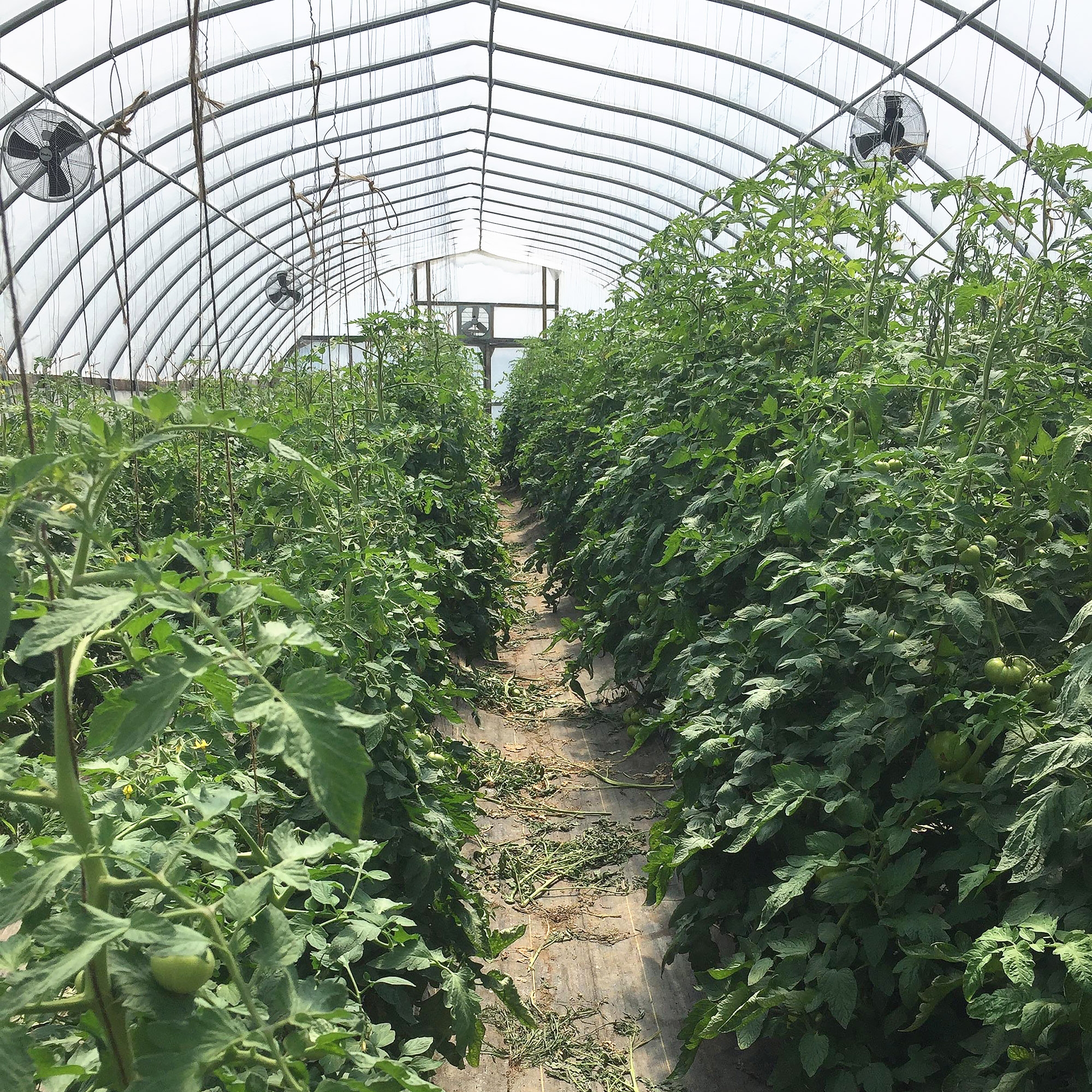
While greenhouses protect plants from outdoor threats, enclosed environments can create conditions favorable to fungal diseases. Managing humidity through ventilation, airflow, and dehumidification requires constant attention.
Space Management
As operations scale, efficient use of available space becomes increasingly complex. Balancing plant density with adequate airflow, worker access, and equipment placement requires careful planning.
Energy and Operational Costs
Heating, cooling, lighting, and irrigation all require energy inputs. Rising utility costs can squeeze profit margins, making efficiency improvements essential for long-term viability.
Ready to Start Growing?

If you have any further questions, please reach out to our representatives. They are happy to help in any way they can!
Contact Us