

Benefits of Hanging Plants in a Greenhouse Using Strut-Brace Adapters
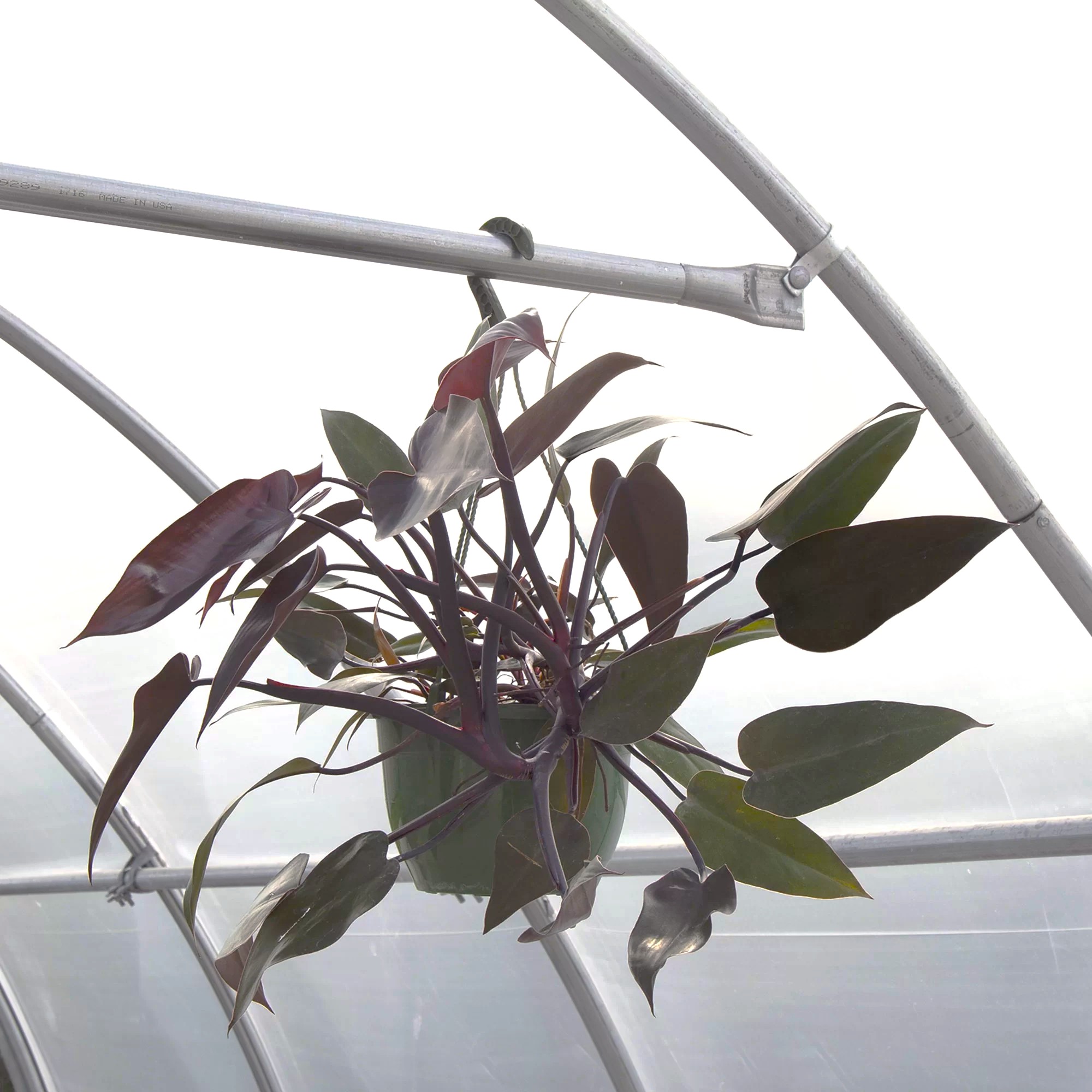
Greenhouses are invaluable spaces for growers, but maximizing every square foot while maintaining optimal plant health can be a challenge. Hanging plants in a greenhouse using strut-brace adapters offers an elegant solution—transforming vertical space into a productive growing area while improving airflow, reducing disease risk, and boosting overall profitability. Whether you're running a commercial operation or a hobby greenhouse, understanding how to implement effective hanging systems can elevate your success in growing.
What Are Strut-Brace Adapters for Hanging Plants?
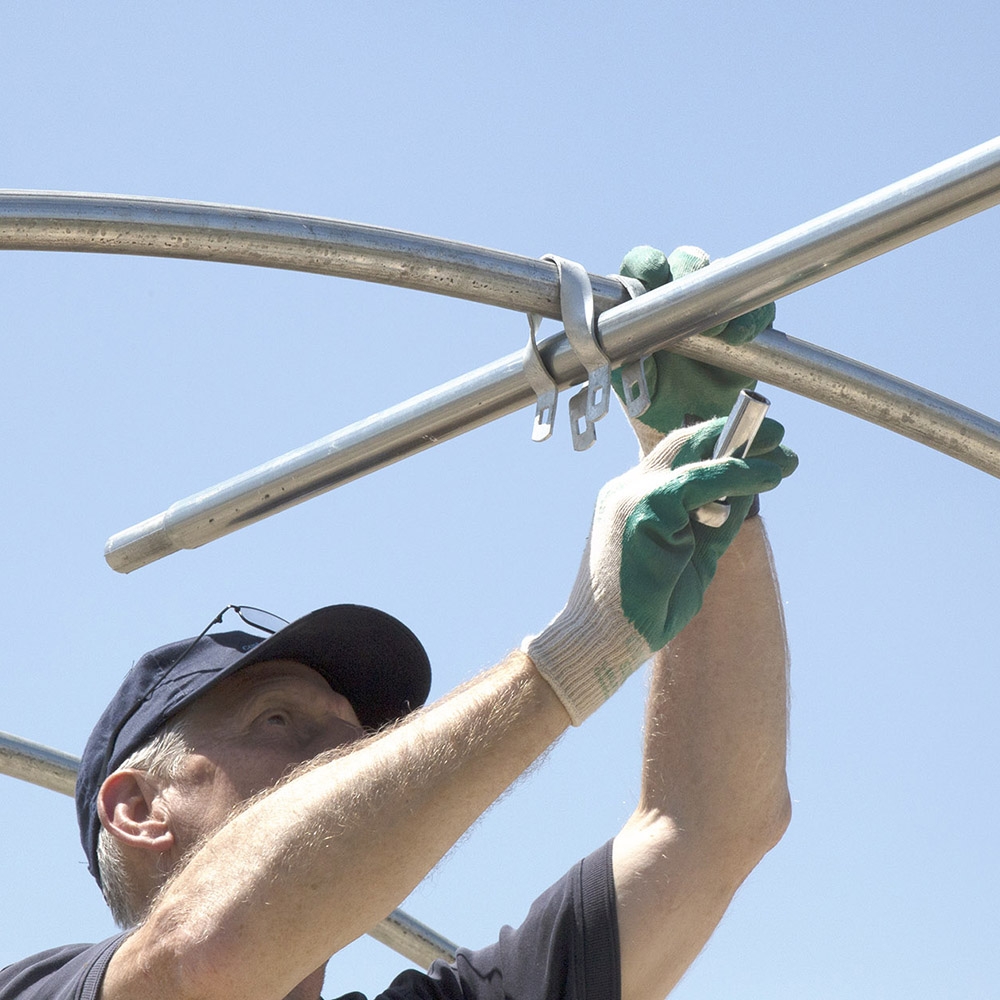
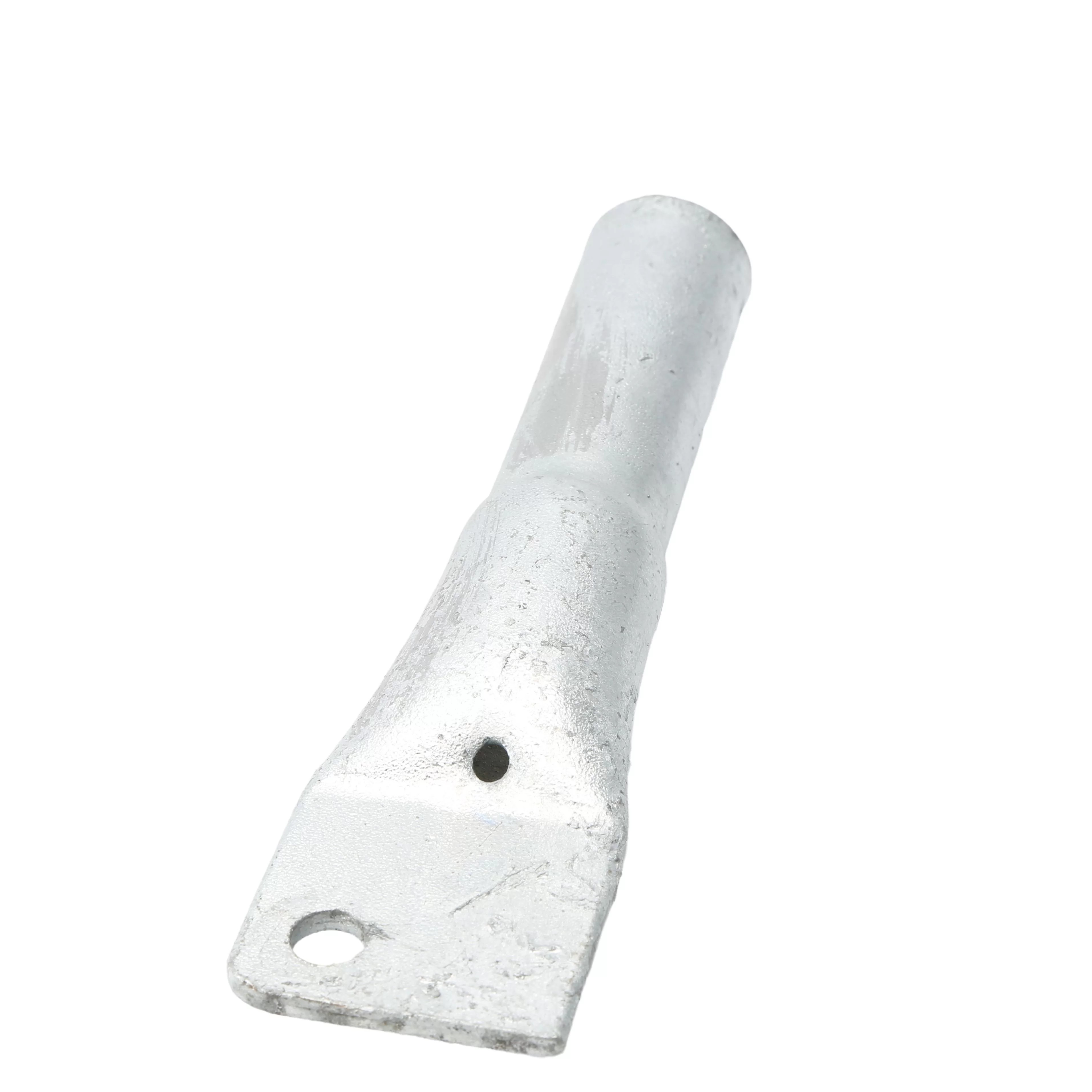
Strut-brace adapters are specialized hardware components designed to create secure mounting points within greenhouse structures. These adapters serve as connectors that bridge the gap between your plants' hanging systems and the existing greenhouse framework. They attach directly to greenhouse framing elements such as cross bars, beams, and brackets, providing reliable anchor points for hanging installations. Most strut-brace adapters are engineered to work with standard square tubing and various greenhouse frame configurations, making them adaptable to a wide range of structures. These components are designed to handle the weight of hanging planters, irrigation systems, and mature plant specimens. By utilizing strut-brace adapters, growers can transform their greenhouse overhead space into a functional growing zone without compromising structural integrity.
Benefits of Hanging Plants in a Greenhouse
Implementing hanging plant systems in your greenhouse delivers multiple advantages that impact both plant health and operational efficiency.
- Improves Airflow Around Plants: Proper air circulation is essential for plant health, and hanging plants allows air to move freely beneath and around foliage, reducing stagnant pockets where humidity can accumulate. This consistent airflow helps strengthen plant stems and promotes more robust growth overall.
- Maximizes Growing Space: Ground-level growing space is often limited, especially in smaller greenhouse setups, so by elevating plants vertically, you effectively double or even triple your productive growing area. This is particularly valuable for commercial growers looking to increase yields without expanding their physical footprint.
- Keeps Plants Off the Ground: Elevating plants eliminates direct contact with soil, standing water, and ground-dwelling pests, creating a cleaner growing environment and making routine maintenance such as watering, pruning, and inspection more accessible and ergonomic for growers.
How Hanging Plants Helps Reduce Disease
Disease prevention is one of the most compelling reasons to invest in hanging systems for your greenhouse (plant) hanging systems. When plants rest on the ground, soil moisture and splashing can directly contact lower leaves and stems, so hanging plants keeps root systems and soil isolated from ground contamination, significantly reducing the risk of soil-borne pathogens reaching plant tissue. Elevated plants benefit from improved ventilation on all sides, and better airflow means foliage dries more quickly after watering or humidity events, conditions that discourage fungal diseases like powdery mildew and botrytis. Ground-level problems can quickly spread through an entire crop when plants are crowded together at the soil level, and hanging systems naturally create separation between plants, slowing the transmission of spores, pests, and pathogens from one specimen to another.
How Hanging Systems Can Boost Profitability
For commercial operations, the financial impact of hanging plant systems extends well beyond space savings. More plants per square foot directly translates to higher production capacity, and hanging systems allow you to grow more crops simultaneously, maximizing the return on your greenhouse investment. Plants grown in well-ventilated, hanging environments often exhibit more uniform growth patterns, and consistent airflow and light exposure reduce stress factors that can cause irregular development, leading to more marketable, high-quality specimens. Disease outbreaks can devastate a crop, resulting in significant financial losses, and by implementing hanging systems that minimize pathogen spread, growers experience fewer losses and more predictable yields, critical factors for maintaining profitability in commercial nursery operations.
Installation and Setup Considerations
Proper installation of hanging plants in a greenhouse requires attention to several key factors to ensure both plant health and structural safety.
- Attaching Adapters to Greenhouse Framing: Before installation, identify the structural members best suited for hanging support, typically the main ribs, cross bars, or purlins of your greenhouse frame. Use the appropriate strut-brace adapter for your specific frame profile to ensure secure, flush connections that won't slip or shift over time.
- Weight Distribution and Load Considerations: Calculate the total weight your hanging system will support, including plant containers and soil, mature plant biomass, and irrigation components if applicable. Distribute loads across multiple connection points rather than concentrating weight on a single adapter, which prevents overstressing any individual structural member.
- Proper Spacing for Plant Growth: Allow adequate vertical and horizontal spacing between hanging plants to ensure sufficient light penetration to all plants, room for plant growth and canopy expansion, and ease of access for maintenance and harvesting. A general guideline is to maintain at least 12 to 18 inches between plant canopies and ensure lower plants receive adequate light as upper specimens grow.
Common Applications
Hanging plant systems utilizing strut-brace adapters are employed across various growing operations.
- Commercial Greenhouses: Large-scale producers use overhead hanging systems to maximize production density, improve crop uniformity, and streamline harvest operations. Hanging tomatoes, cucumbers, peppers, and herbs is a common commercial application.
- Nursery Operations: Nurseries benefit from hanging systems for acclimatizing young plants, displaying retail inventory, and creating propagation workspaces that keep plants off potentially contaminated surfaces.
- Indoor Growing Systems: Indoor growing facilities and vertical farms increasingly incorporate hanging adapters to create modular growing configurations that can be easily reconfigured as crop cycles change.
Hanging plants in a greenhouse using strut-brace adapters represents a smart investment for any grower looking to optimize space, improve plant health, and reduce disease pressure. From commercial operations seeking higher profitability to hobbyists wanting to maximize their growing potential, these systems offer versatile, scalable solutions. By understanding the different adapter types, proper installation techniques, and spacing considerations, you can transform your greenhouse overhead into a productive, efficient growing environment.
Ready to Upgrade Your Greenhouse?
If you have any further questions, please reach out to our representatives. They are happy to help in any way they can!
Contact Us